Published 18 Feb 2026 · Depesh Vyas
Case Study: Saving a 40-Year-Old CPA Firm From Operational Collapse
Business type: Accounting / CPA firm (post-acquisition)
Starting situation: 6 team members (all leaving), $150K annual revenue at risk, 40 years of paper-based processes, tax season starting in weeks
End result: Operations stabilised, revenue secured, 2 full tax seasons managed with only 3 client delays, 4 people hired and trained, founder reduced from full-day involvement to 3–4 hours/week
Timeframe: 10 months
The Situation
This was not a growth engagement. When I came in, the question wasn't "how do we scale this business" — it was "does this business survive the next 90 days."
A founder had acquired a 40-year-old CPA firm. The acquisition had gone through, but the transition hadn't been managed well — the entire existing team of 6 decided to leave together. Tax season was weeks away. The firm had $150K in annual revenue from a client base that expected continuity of service from people they'd worked with for years. And 40 years of processes existed entirely on paper — physical files, manual workflows, no digital systems of any kind.
The founder was managing the situation solo: legal issues related to the acquisition, client relationships, urgent hiring, and every operational question that arose. He was working full days across every area simultaneously, which meant nothing was getting the focused attention it needed.
The First 30 Days: Triage and Stabilisation
The first priority was not systems. It was people.
With the existing team leaving, the business had no delivery capacity at all. Before anything else could be built, a new team had to exist. We hired 4 people in the first 30 days — not by lowering the bar under pressure, but by running a fast, structured hiring process with clear role definitions and a focused evaluation approach.
Simultaneously, we did client communication triage. The firm's clients — many of whom had worked with the previous team for years — needed reassurance that their work would be handled and that the transition wouldn't affect their service. We identified every active engagement, confirmed the current status, and reached out proactively to set expectations. This stopped the client relationship damage before it became churn.
The founder's involvement was redirected in these first 30 days: away from operational firefighting, toward the legal and strategic issues that actually required his attention and couldn't be handled by anyone else.
Months 2–4: Digitising 40 Years of Processes
The paper-based process problem was significant. Forty years of institutional knowledge — how client engagements were structured, how work flowed through the firm, what the standards were for every type of deliverable — existed in physical files and in the heads of people who were now gone.
We spent months 2–4 systematically rebuilding this. The approach: reconstruct the core workflows from available documentation and from the new team's knowledge, translate them into digital form, and build them into a structured project management system (ClickUp). The output was 8–9 digital boards and 50–60 documented SOPs covering every major process in the firm.
This is less glamorous work than building growth systems, but it was the work the situation required. A firm where institutional knowledge lives entirely on paper and in individuals' heads has a single point of failure: when the people leave, the knowledge leaves with them. Making the processes explicit and digital was the fix for a structural fragility that had existed in the firm for decades.
Tax Season 1: The Real Test
The first tax season under the new team was the real test of everything that had been built. New people, new digital systems, 40-year client relationships that needed to be maintained, and a hard deadline that moves for no one.
The result: tax season was managed successfully. Of the full client base, 3 clients experienced delays — which, given that the entire team had been replaced and the systems had been rebuilt from scratch in 90 days, was a significantly better outcome than the situation warranted. Client retention held.
The operating cadence built in months 1–3 — clear weekly priorities, capacity planning, escalation rules that kept the founder out of routine decisions — meant the team could execute consistently under pressure without constant oversight.
Months 6–10: Operational Maturity
The second half of the engagement was about taking the stabilised operation and building it toward genuine operational maturity. The new team was settled. The systems were working. The second tax season was ahead.
The work in this phase: formalising the KPI framework so performance was visible week to week, building a client communication standard so client experience was consistent across the whole team, and establishing the governance structure that would let the business run with minimal founder involvement on an ongoing basis.
By the end of the engagement, the founder had gone from working full days across every area of the business to 3–4 hours per week focused on process oversight and strategic decisions. The team was running the firm. The clients were retained. Two tax seasons had been managed successfully.
What This Case Illustrates
Most COO case studies are about growth. This one is about survival and stabilisation — a different but equally valid application of operational expertise.
The core skills are the same: diagnosing what's actually critical vs. what can wait, hiring quickly and well under pressure, building systems that make knowledge explicit and transferable, establishing the accountability structure that lets a team operate without constant founder involvement. Whether you're stabilising a business in crisis or scaling one that's ready to grow, the operational fundamentals are consistent.
What's different is the sequencing. In a crisis engagement, you triage first — people, then client relationships, then systems — and you build more methodically once the immediate survival questions are answered. The risk of getting that wrong is higher, and the margin for error is smaller. But the output, when it works, is a business that's been rebuilt on solid operational ground rather than the fragile infrastructure it was running on before.
Depesh Vyas is the founder of VBOG (Vyas Business Operations Group). He works with service business founders at $10K–$40K MRR who are stuck in execution, whether the challenge is growth or stabilisation. Start with a $500 Operations Audit — a 7-day diagnostic that gives you an honest picture of where your operations actually stand and what needs to happen first.
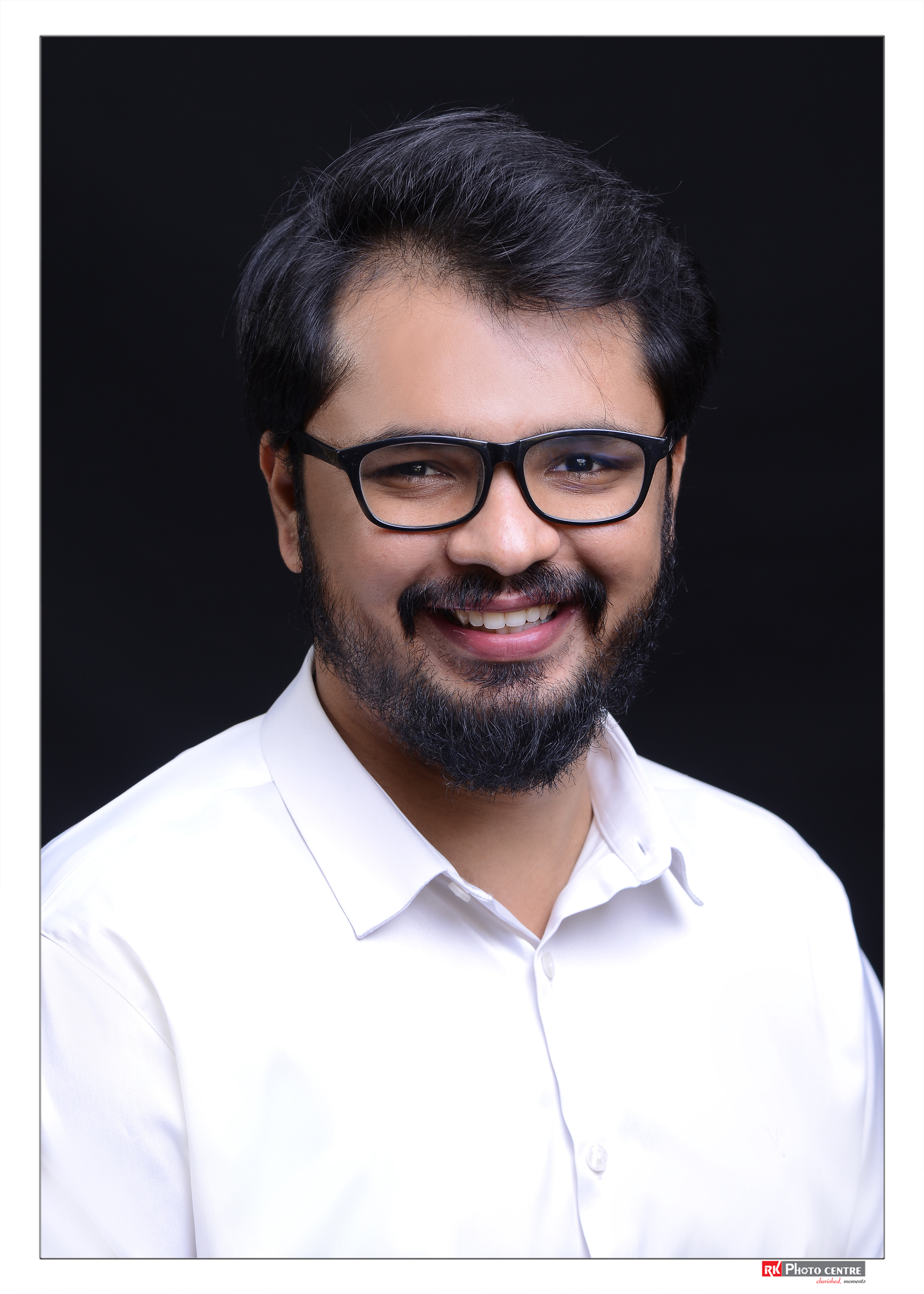
Depesh Vyas
COO & Founder, VBOG
Depesh helps service business founders at $10K–$40K MRR escape the founder bottleneck and build the operational infrastructure to grow 2–3x without burning out. Previously scaled a B2B agency from $5K to $220K MRR in 19 months.
Related Articles
Ready to fix your operations?
Start with a $500 Operations Audit — a 7-day deep-dive that shows you exactly where your bottlenecks are and what to fix first.
Book a Free Discovery Call